LegacyHive PoC: Researcher reveals another zero-day hours after Microsoft Patch Tuesday
16 Jul 2026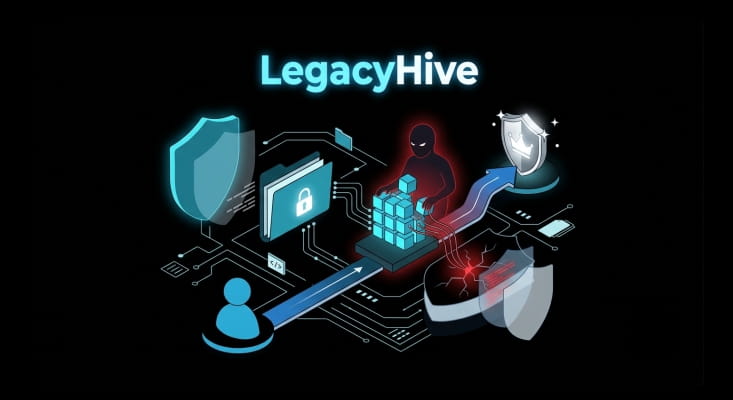
Another zero-day vulnerability has been revealed by a researcher hours after Microsoft released its July edition of Patch Tuesday. A security researcher named Nightmare Eclipse has discovered the flaw and released a proof-of-concept exploit named Legacy Hive.
Through this blog, we will understand what zero-day is about, the threat it poses, and what organizations can do to prevent the risks and threats posed by it.
About the vulnerability
|
Vendor + component affected
|
About |
Date of discovery |
|
Microsoft + Windows
|
The flaw is an elevation of privileges flaw that was described as Windows User Profile Service arbitrary hive load elevation of privileges vulnerability.
|
15th July 2026 |
What can attackers do?
ProfSvc (Windows User Profile Service) is a Microsoft Windows system component that is responsible for managing user accounts and environments.
It is not an initial access vulnerability but a post-compromise vulnerability. So, any hacker with initial access can exploit this vulnerability to gain elevated privileges to further their attack. It lets attackers gain SYSTEM-level privileges.
Attackers can exploit the vulnerability to:
- Disable security mechanisms (like turning off Microsoft Defender, EDR agents, and antivirus).
- Hide malicious activity through actions like clearing Windows event logs, terminating security processes, or manipulating logging to evade detection.
- Deploy advanced ransomware that embeds deeply into the operating system or spreads malware across the network.
- Steal credentials, password hashes, Kerberos tickets, cached credentials, passwords, and other secrets.
- Create persistent backdoors like adding hidden administrator accounts, install malicious services, schedule tasks, or add kernel level components that survive reboots.
- Execute malicious codes with SYSTEM level privileges, bypassing user level restrictions.
- Steal sensitive data by accessing files and folders that normal user account couldn’t read like confidential business documents and application data.
- Further orchestrate advanced attacks by establishing foothold through a compromised machine.
SharkStriker’s recommendations
- Apply the Microsoft security update immediately.
- Restrict local administrator privileges.
SharkStriker’s action
- Implemented a behavior-based detection rule to identify potential exploitation attempts.
- Continuously tracking Microsoft’s advisory for the official patch.
- Restrict execution of untrusted applications and scripts using application control technologies such as AppLocker or Windows Defender Application Control (WDAC).
- Ensure Microsoft Defender and endpoint protection solutions remain fully updated.